ENG
 VIE
 +84 9323 494 34


AI marketing case studies 2026: real campaigns that delivered strong ROI
 May 30, 2026
 Uyen Mac
Updated on October 18, 2026: figures reviewed and updated.
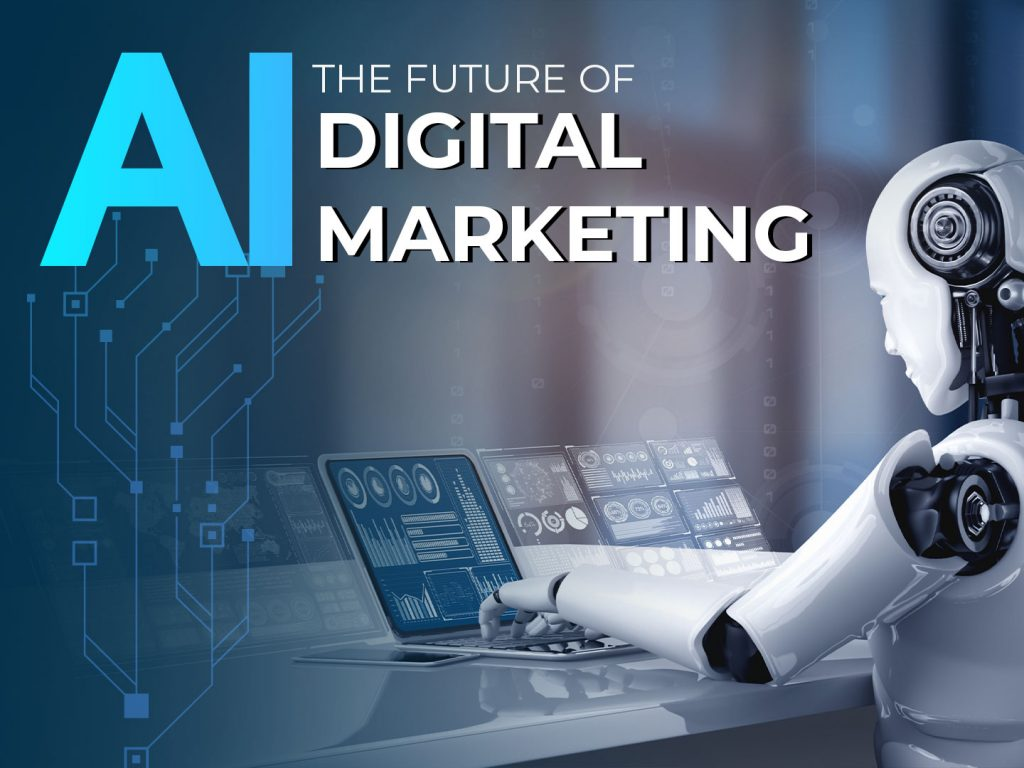
The brands winning with AI marketing are not winning just because they act faster. They have built working systems with clear processes that are easy to manage and can be repeated consistently. The AI marketing case studies below show what those systems look like in practice.
The brands succeeding with AI marketing in 2026 are not the ones using the newest AI models. They are the ones that have built the right systems and processes to get real value out of AI.
AI in marketing is no longer an experiment: it has become part of operations
The brands with the most impressive results are not only using AI to produce more content in less time. They build AI into workflows that are controlled, repeatable and scalable. Those workflows protect and maintain the brand voice, cut down on rounds of content revisions and produce business impact that can be measured.
This article brings together 12 notable AI marketing case studies from roughly the past 10 years, from Domino’s voice ordering assistant (2014) to Hettich’s “Roast The Room” campaign (2024), along with the results each brand has published.
What separates successful AI campaigns from the rest?
Most AI experiments in marketing fall short of expectations for the same reason: the business treats AI only as a tool for generating content.
The most successful campaigns, by contrast, treat AI as part of their operating process and get these 3 things right:
- They start from clear data sources and clear brand standards
- They build structured workflows that can be repeated
- They put people in the right places in the workflow to set strategy and make the final decisions
Real AI marketing case studies with standout results
Case Study 1: L’Oréal: using AI diagnostics to build trust and lift conversions
- Challenge: Move beyond generic advice in order to build trust and grow online sales.
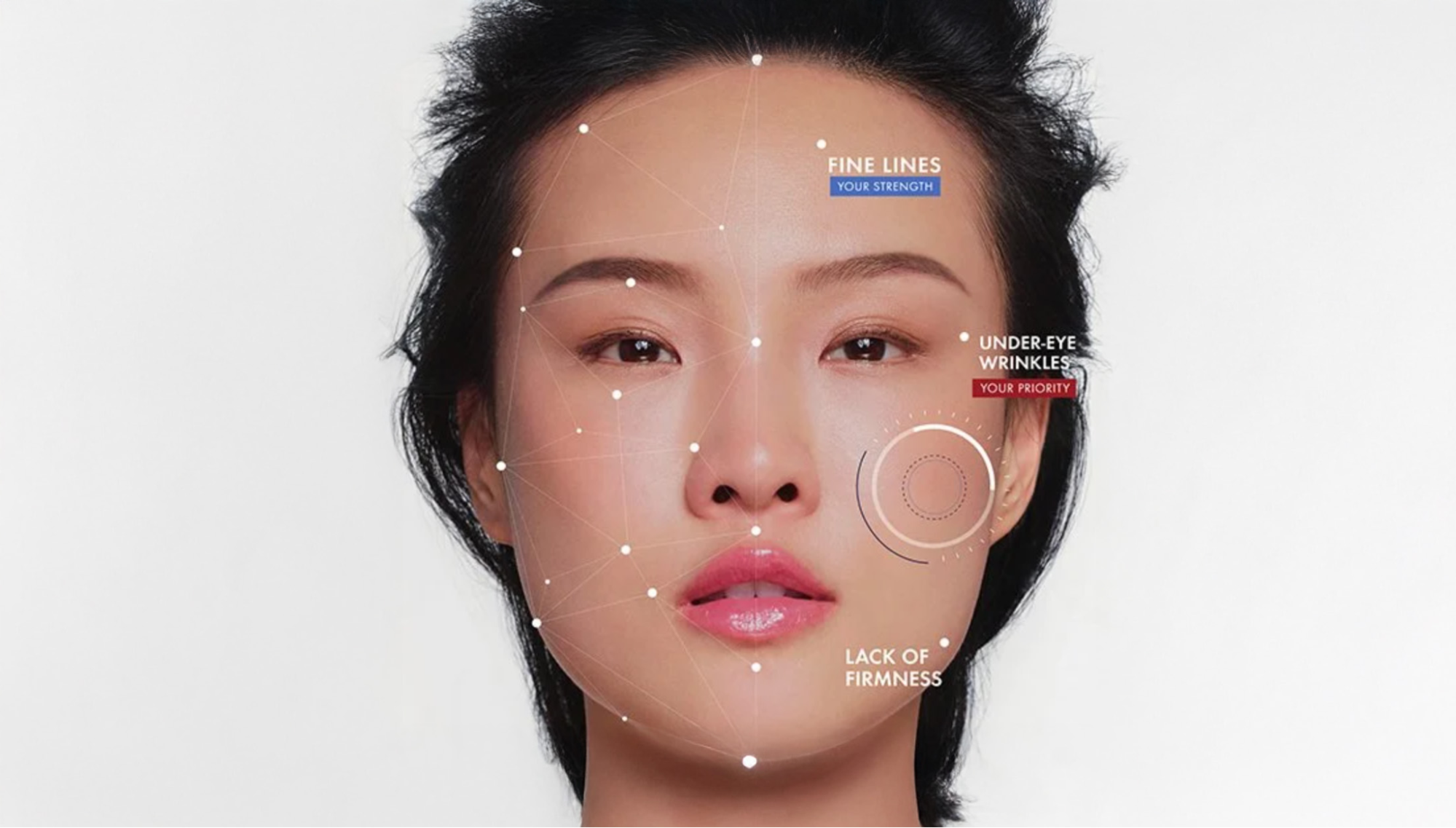
- AI solution: L’Oréal’s ModiFace and SkinConsult AI offer virtual try-on and photo-based skin diagnosis, giving instant personalized recommendations at scale.
- Results: As of 2020, L’Oréal’s ModiFace services (makeup try-on, hair color try-on and skin diagnosis) had passed 1 billion visits. According to L’Oréal (2019), conversion rates roughly triple when a website or app offers virtual try-on.
- Lesson: AI can act as your most effective sales consultant, removing friction and raising conversion rates. It is a core part of a modern, AI-based customer experience strategy.
Case Study 2: Domino’s: conversational AI becomes a direct revenue channel
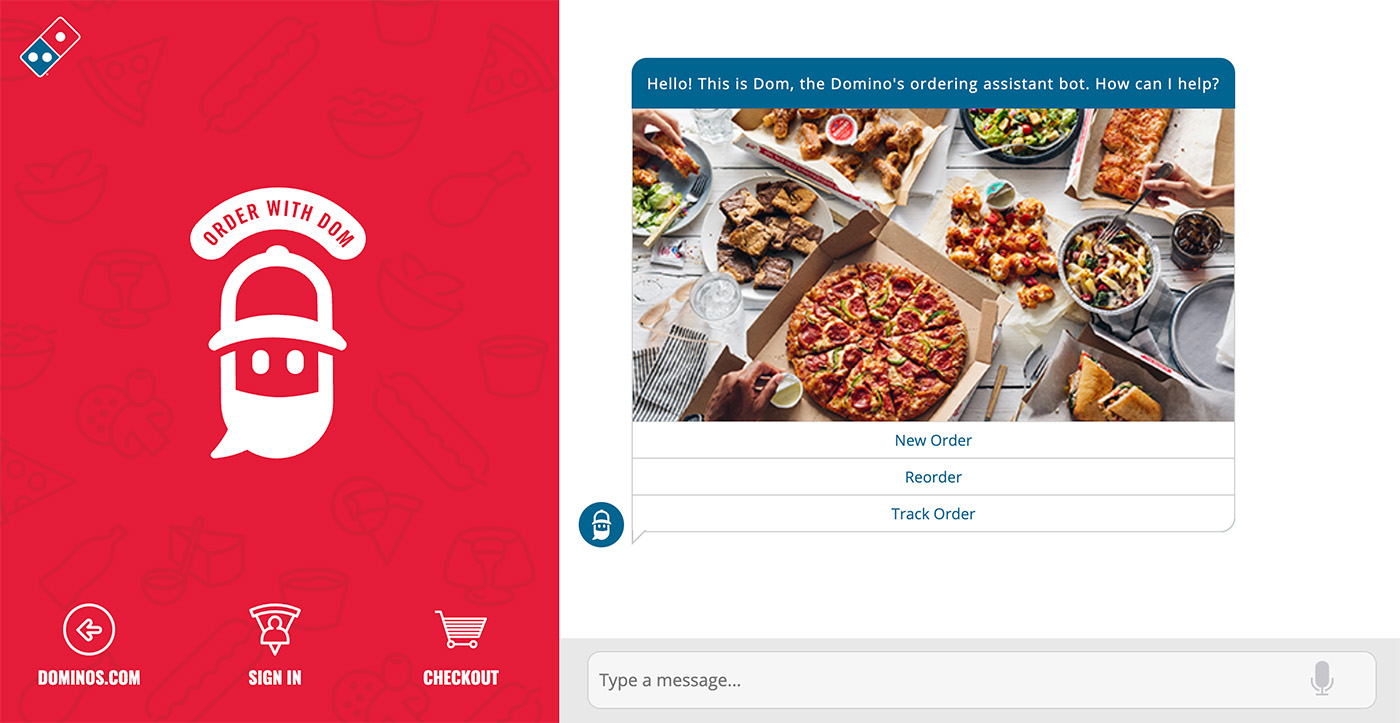
- AI solution: “Dom,” a voice-controlled AI assistant that lets customers place orders by phone and on smart devices in a natural, conversational way.
- Results: Domino’s was one of the first retail brands to allow voice ordering inside its app (starting in June 2014). It gained an extra, convenient ordering channel and strengthened its image as a technology pioneer.
- Lesson: Applying conversational AI to a company’s core transactions can create a real competitive advantage, while also improving the customer experience and making operations more efficient.
Case Study 3: Nike: predictive AI personalization to grow revenue and loyalty
- Challenge: Stand out in a fiercely competitive fashion market by building stronger customer relationships and encouraging repeat purchases.
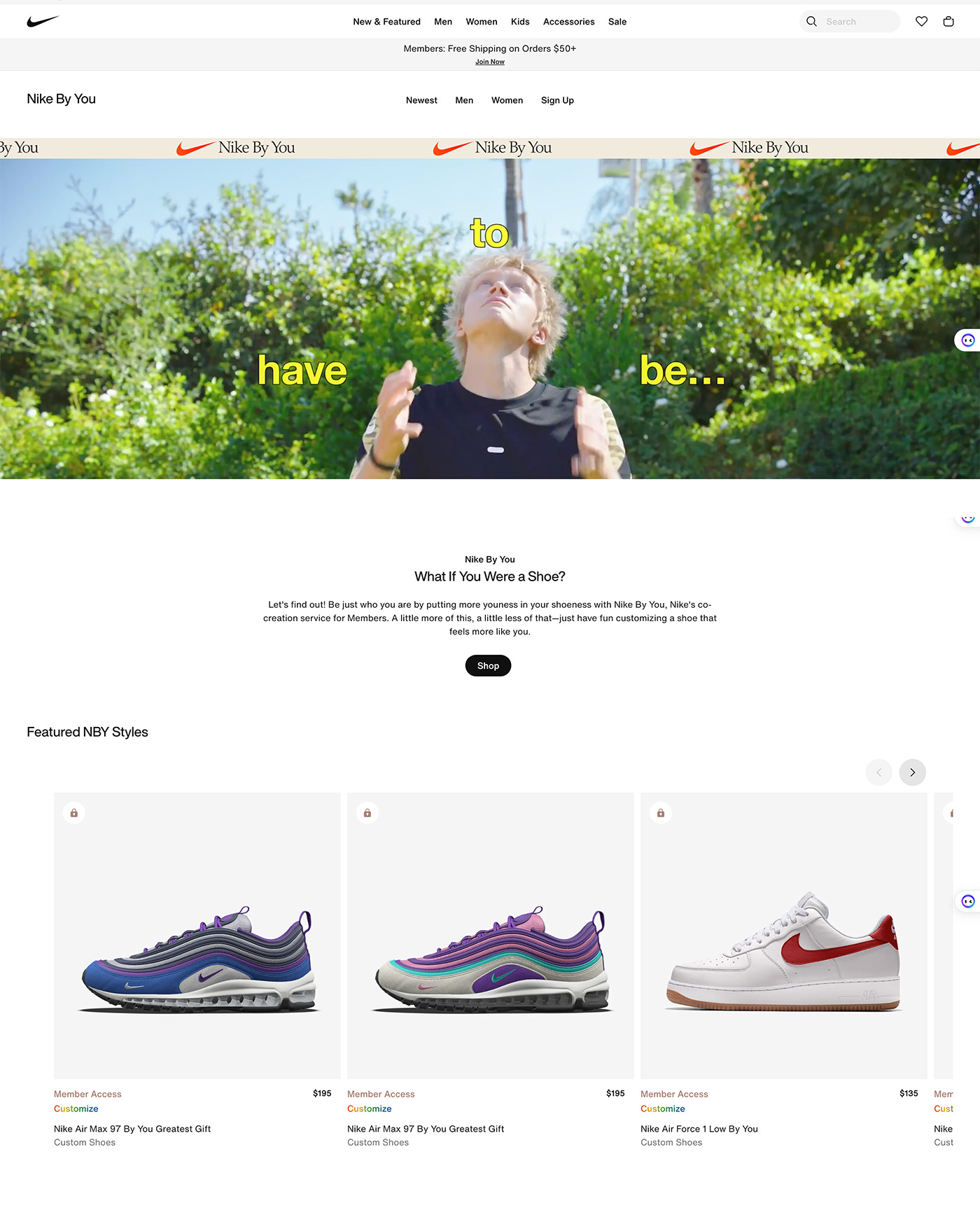
- AI solution: Nike’s predictive AI analyzes app usage, purchase history and social media signals to make personalized product recommendations. In effect, every user gets their own design studio.
- Results: Nike uses app data and purchase history to personalize product recommendations, with the goal of increasing engagement and repeat purchases. The company has not published specific figures on the size of the increase.
- Lesson: Predictive AI turns your data into a loyalty advantage and directly raises LTV, a metric CFOs tend to like.
Case Study 4: Coca-Cola: voice AI for brand engagement
- Challenge: Stay culturally relevant through memorable interactions.
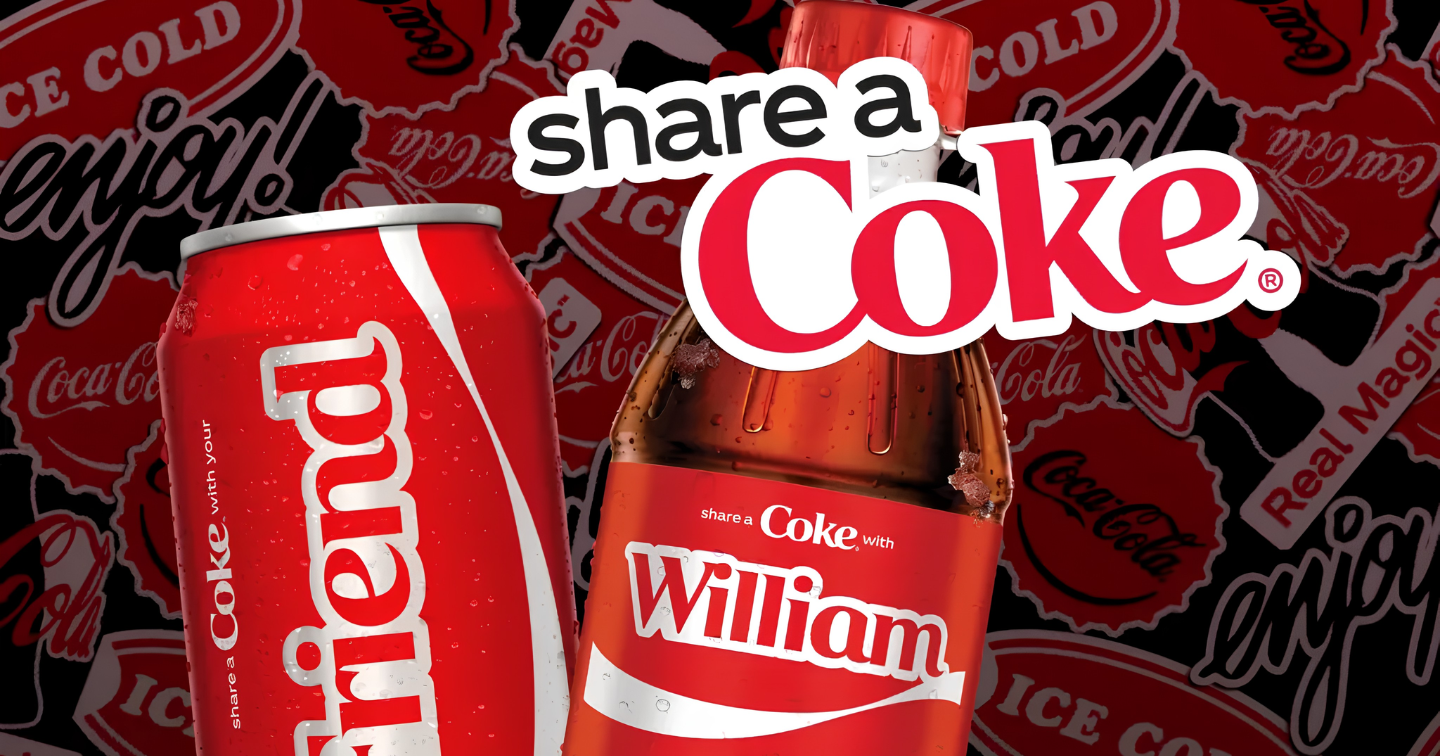
- AI solution: In Australia (early 2020), Coca-Cola brought its Share a Coke campaign to the Alexa voice assistant. Users only had to say “Alexa, Share a Coke” to order a bottle of Coca-Cola printed with a name of their choice, delivered free to their door.
- Results: Strong engagement and word of mouth for the brand, reinforcing Coca-Cola’s image as an innovator.
- Lesson: Using artificial intelligence (AI) for brand building helps create an emotional connection, which is what gives a brand its long-term value. Susan Westwater, co-founder of Pragmatic Digital, stresses this principle in her approach to voice marketing.
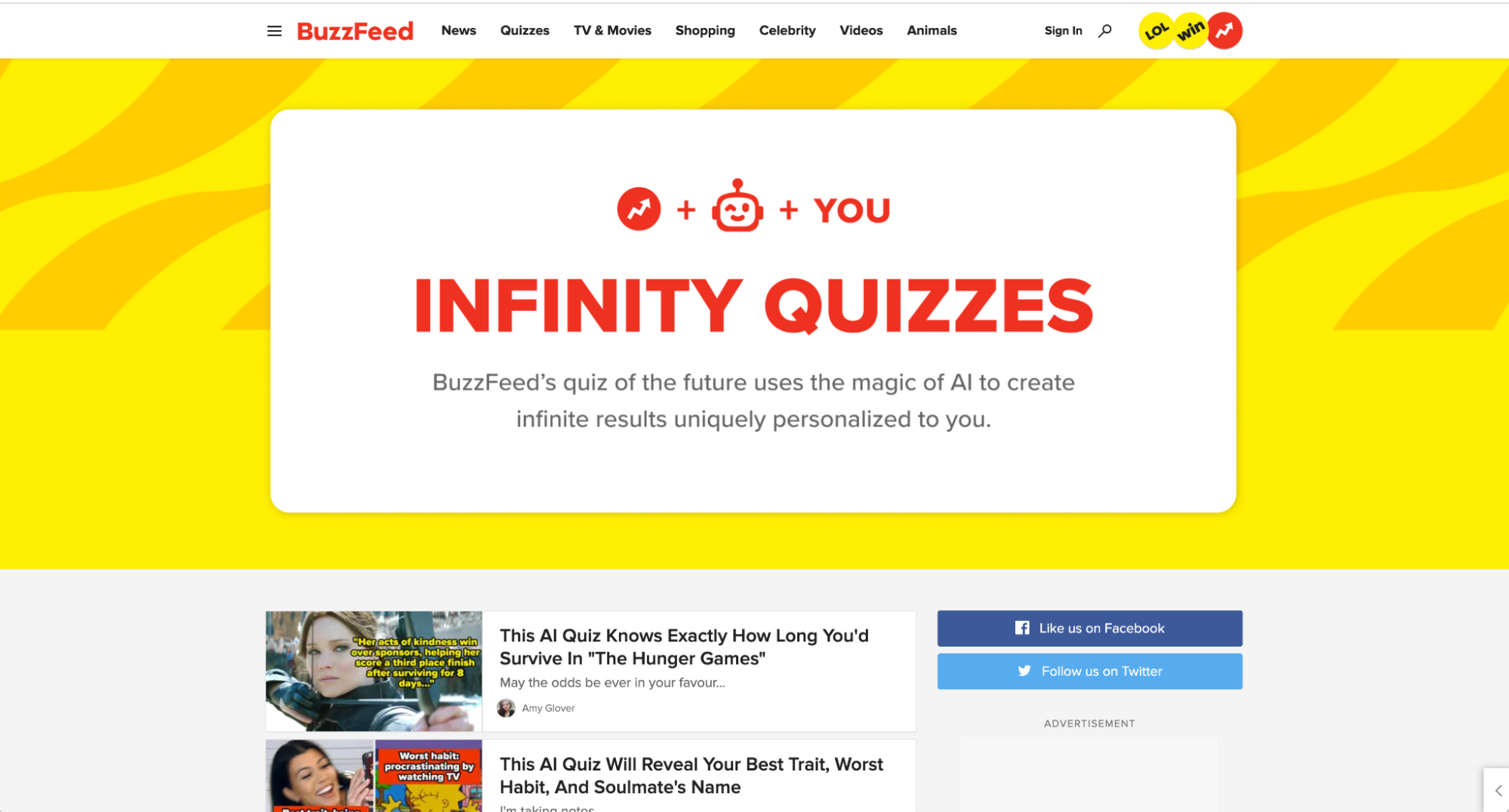
Case Study 5: BuzzFeed: generative AI scales niche engagement
- Challenge: Keep a wide range of audience groups engaged, week after week.
- AI solution: Generative AI quizzes and surveys produce unique results based on what each user enters, which gives an almost unlimited number of distinct content variations.
- Results: Starting in February 2023, BuzzFeed launched its Infinity Quizzes series, which uses the OpenAI API to generate a personal result for each player, based on concepts built by its editors.
- Lesson: AI makes it practical to serve niche customer segments that used to be too expensive to target.
Case Study 6: Starbucks: predictive AI raises purchase frequency
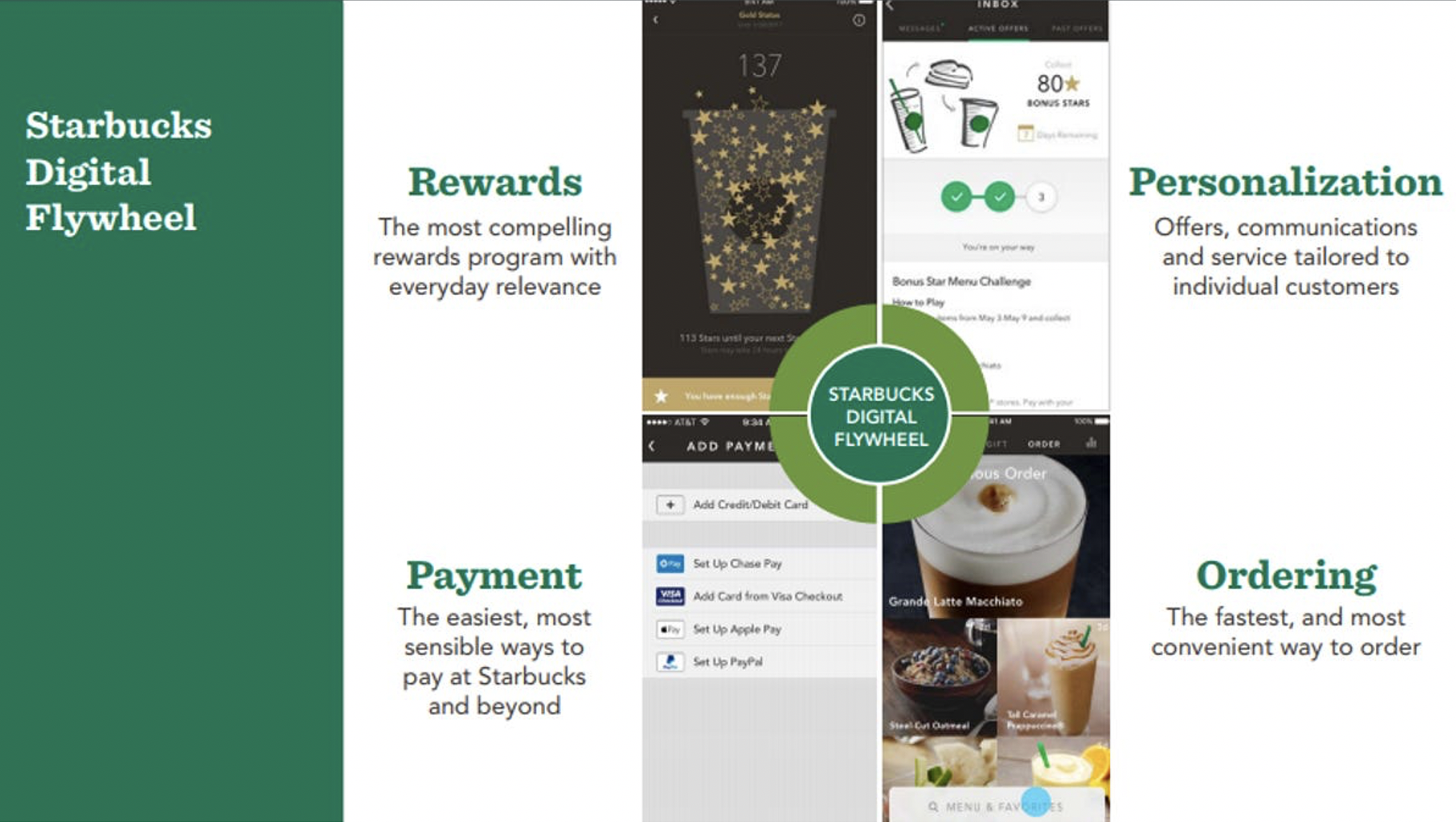
- Challenge: Get customers to visit stores more often and spend more per visit.
- AI solution: Starbucks’ “Deep Brew” analyzes past orders, time of day, weather and location to proactively suggest likely orders in the app.
- Results: Higher order frequency and higher customer spending, turning the app into a daily habit customers rely on.
- Lesson: The convenience AI provides keeps repeat purchasing going, which feeds directly into revenue growth.
Case Study 7: Sephora: AI plus AR to reduce purchase hesitation
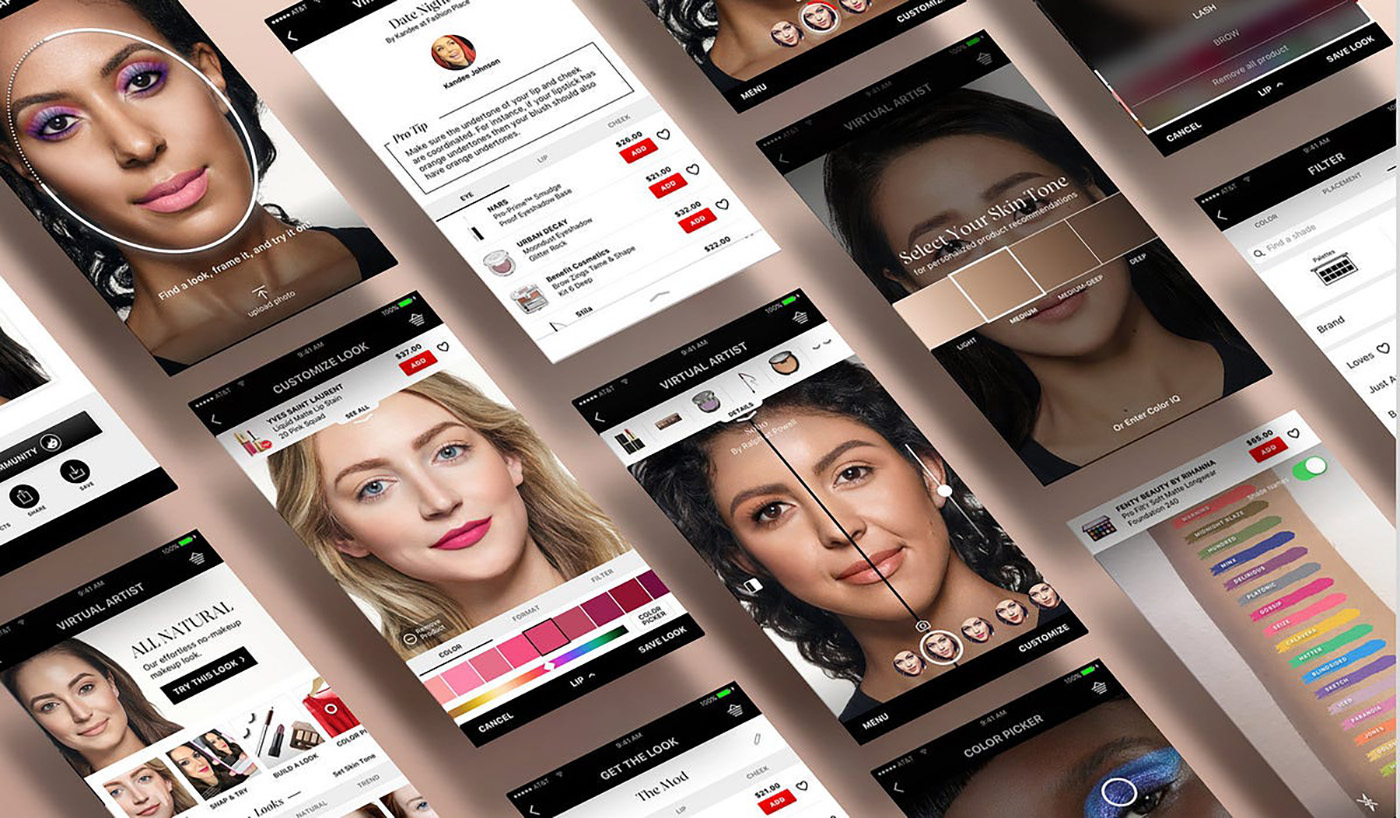
- Challenge: Overcome shoppers’ reluctance to try beauty products online.
- AI solution: The “Virtual Artist” app combines AI facial analysis with AR so shoppers can try products on in real time.
- Results: Higher conversion rates, more customer trust and a more engaging shopping experience.
- Lesson: An immersive AI experience removes pre-purchase anxiety and lifts conversion rates, which is a priority for any retail brand.
Case Study 8: Lexus: AI as a creative partner for innovation
- Challenge: Position Lexus as a creative, innovative brand.
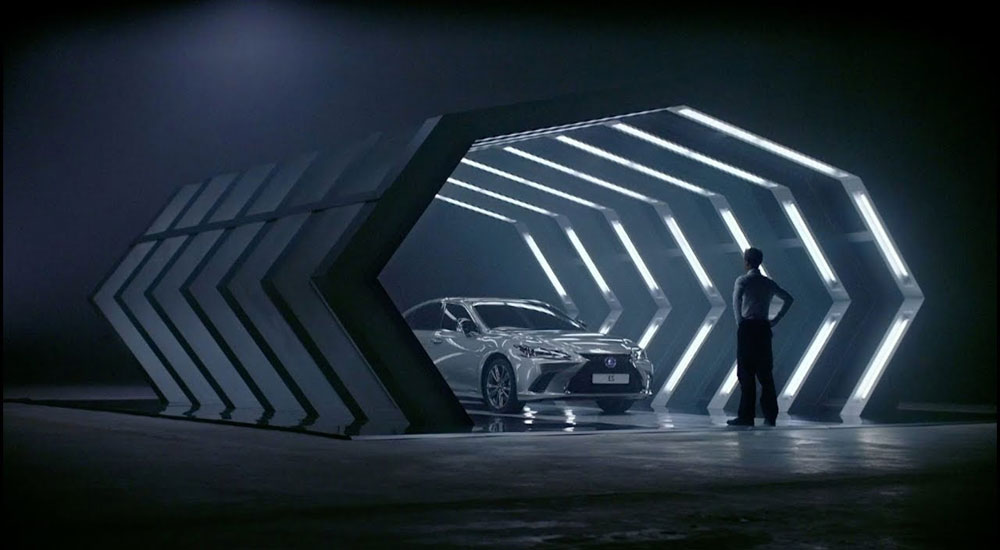
- AI solution: IBM Watson analyzed 15 years of luxury product advertising to write the script for an emotional commercial, which was then shot by an Oscar-winning director.
- Results: Lexus presented it as the world’s first commercial with a script written entirely by AI (November 2018). The company’s press release did not include any campaign performance figures.
- Lesson: AI can strengthen a brand’s storytelling and support its innovation narrative.
Case Study 9: Hettich: interactive AI wins customers over in an unexpected way
- Challenge: Make the hidden fittings inside furniture interesting to everyday users.
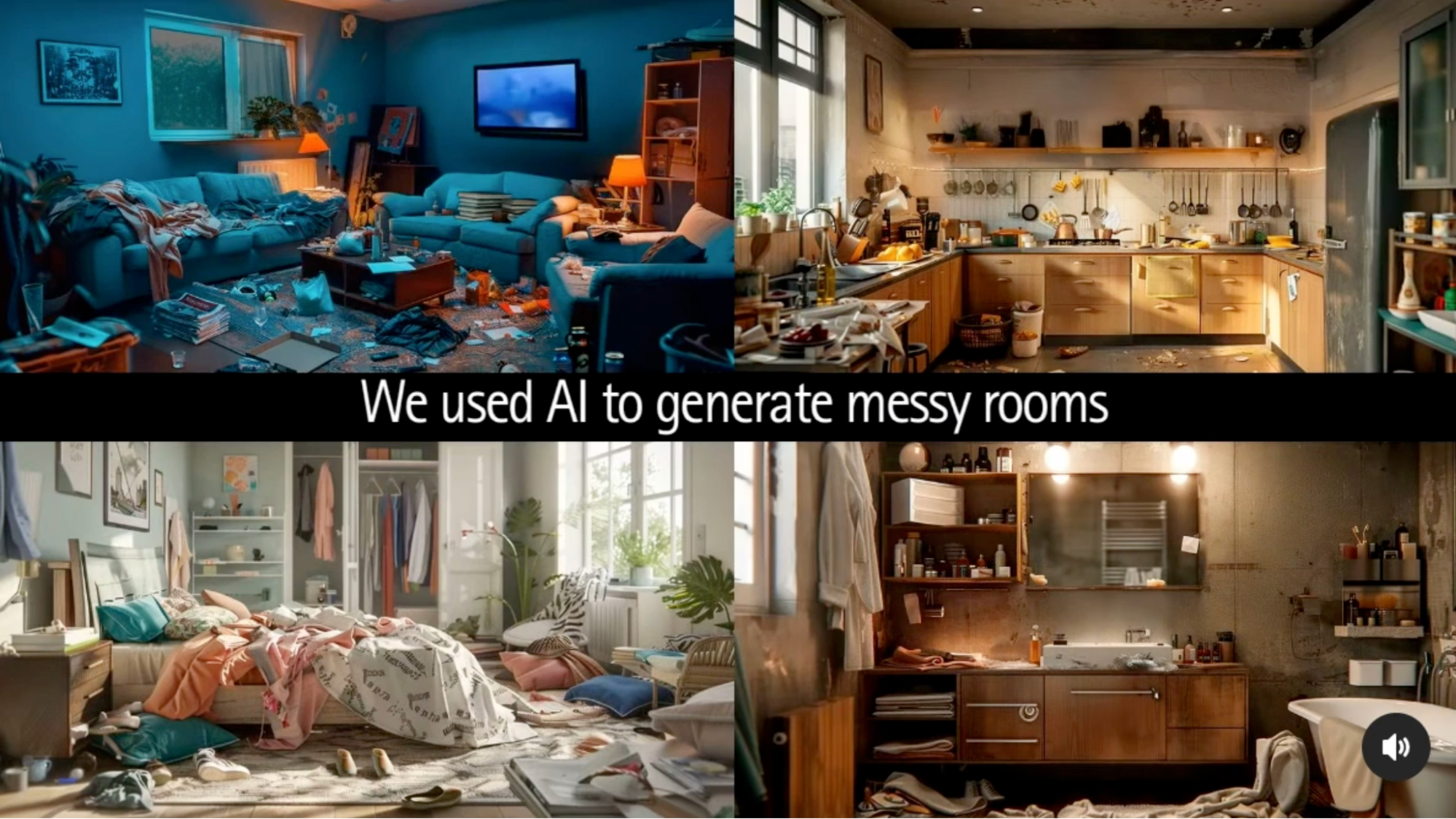
- AI solution: In its “Roast The Room” campaign on Instagram (India, October 2024), Hettich used AI to generate images of four messy rooms for fans to “roast,” then used generative AI to redesign those same rooms with Hettich furniture solutions.
- Results: Viral participation, high brand recognition and a large volume of engagement.
- Lesson: A fun, interactive AI experience can make even B2B products, such as those from advanced manufacturing, easier to understand and more memorable.
Case Study 10: Farfetch: AI email optimization to raise clicks and revenue
- Challenge: Get past the fatigue of subscribers receiving too many emails, and improve performance.
- AI solution: Phrasee’s AI content optimization technology analyzed and improved subject lines, preview text and calls to action (CTAs).
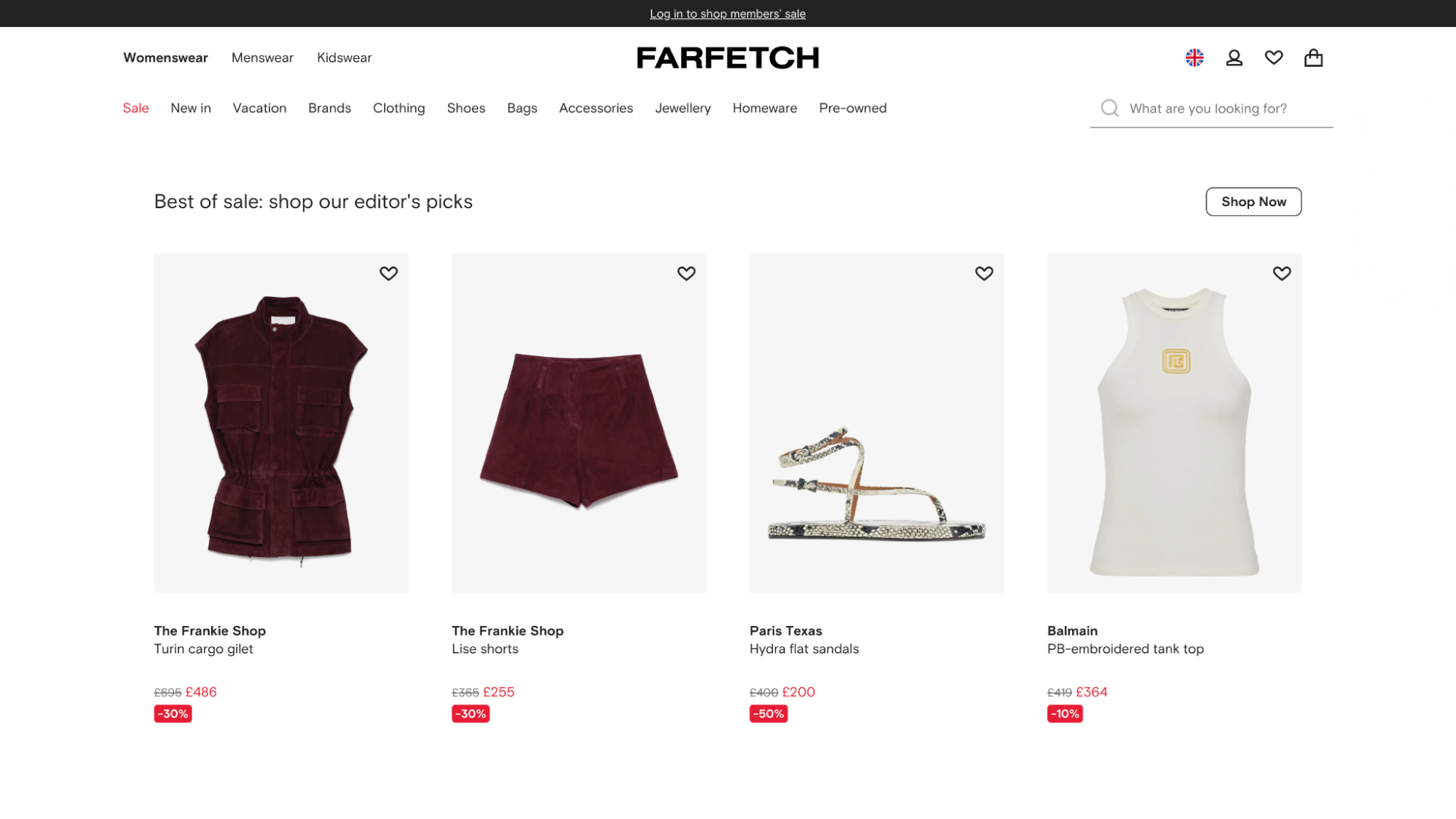
- Results: Open rates 7% higher on promotional emails and 31% higher on automated emails, with click-through rates (CTR) up to 38% better.
- Lesson: AI can find substantial untapped potential, even in your most mature channels.
Case Study 11: Cadbury: generative AI for hyper-local personalization at scale
- Challenge: Support small businesses at scale during Diwali.
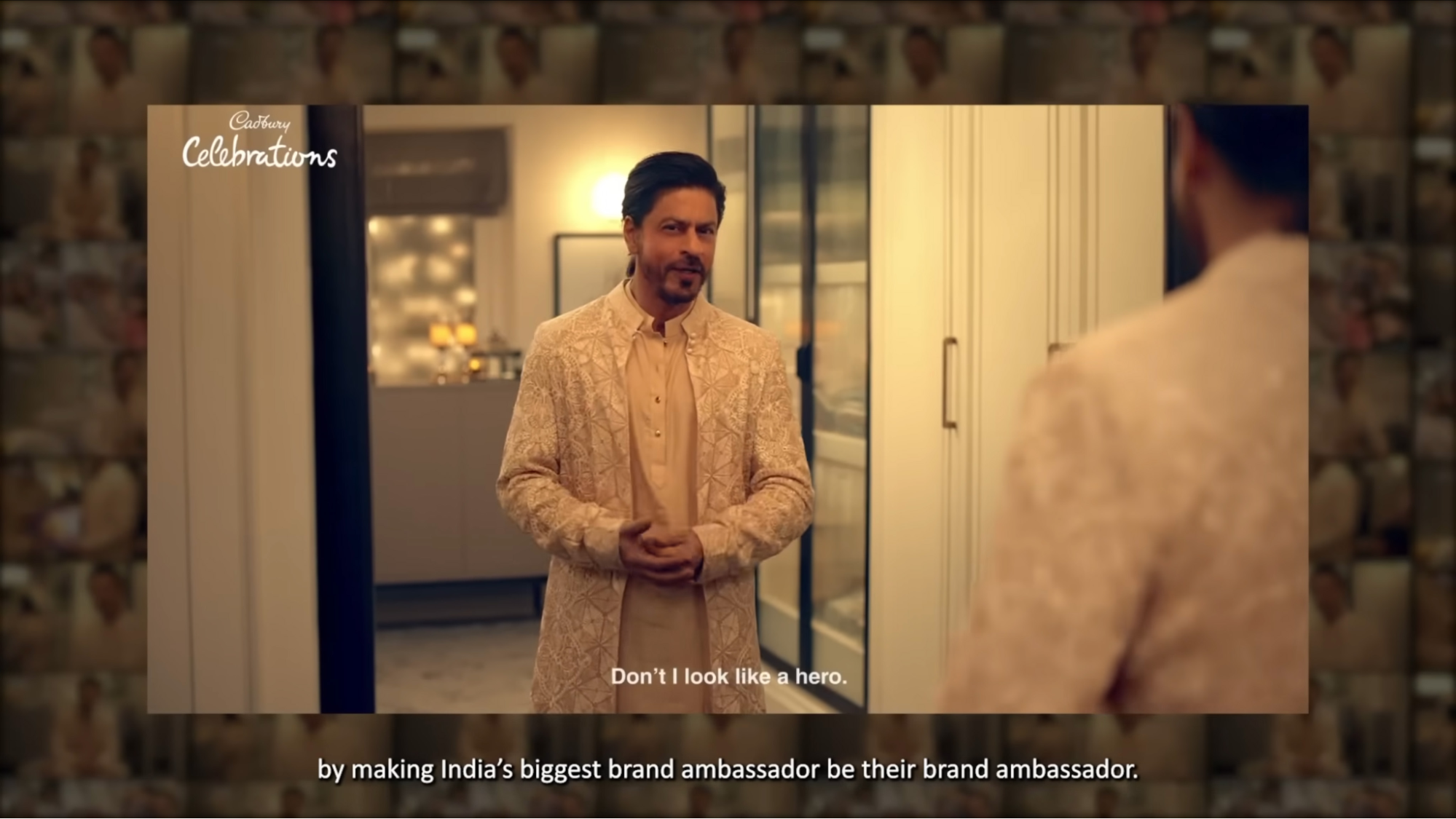
- AI solution: The “Not just a Cadbury ad” campaign used AI to create thousands of localized video ads featuring Bollywood star Shah Rukh Khan, with each video naming local stores.
- Results: According to Ogilvy, more than 130,000 individual video ads were created for local stores. Engagement was 60% higher on YouTube and 90% higher on Facebook, and Cadbury Celebrations sales rose 35% compared with the 2019 Diwali season.
- Lesson: Generative AI makes emotional, highly local storytelling possible, and that builds momentum for brand love.
Case Study 12: Unilever: AI for content analysis and optimization to cut costs and improve relevance
- Challenge: Produce globally relevant content at scale while keeping costs under control.
- AI solution: Unilever built U-Studio, a network of in-house studios (17 studios in 12 countries in 2018), and later developed an AI system that generates advertising content for its products.
- Results: According to Unilever, U-Studio produced content about 30% cheaper than hiring outside agencies (2018). The AI system makes creative assets 30% faster, and video completion rate (VCR) and CTR doubled (2025).
- Lesson: AI can raise creative efficiency considerably while also making content more locally relevant, a double benefit that any consumer goods brand can use.

What the successful campaigns have in common
Every high-performing AI marketing campaign in these examples shares one trait: it went past “using AI to write faster” and built a real operating system around content creation.
These teams defined their source materials, treated brand voice as part of their infrastructure, used structured prompts and set up evaluation and governance standards.
Put another way, they did not just use AI. They operated it well.
How to take inspiration from these case studies and make it your own
Reading case studies is motivating. Reproducing the results is harder. The gap most teams run into is infrastructure. They have the ambition and the tools, but they do not have a repeatable system that produces success they can scale and sustain.
To move from scattered AI experiments to a managed, brand-safe content workflow, a marketing team needs to prepare:
- A map of source materials
- A captured, documented brand voice that the team actually applies
- A framework and a structured prompt library
- Evaluation standards and a QA scorecard
- A 30-day activation plan
If your team finds that AI produces more content but you still struggle with revision cycles, brand consistency or internal trust in the output, the answer is not more prompts. It is building an operating system that runs alongside content production. The brands winning with generative AI in 2026 are not the ones using the newest models. They are the ones that have built the right system around them.
Frequently asked questions about generative AI in marketing
How do you integrate AI into an existing marketing strategy?
You can bring AI in through a range of tools and platforms designed to automate and optimize marketing processes. These cover customer segmentation, personalization, predictive analytics and real-time data analysis, which make targeting and engagement more precise. Conversational AI and voice technology can also improve a brand’s customer experience considerably, by making interactions intuitive, providing instant support and allowing automated engagement, which is especially useful for today’s busy, always-on-the-move customers.
What are some notable AI marketing success stories?
This article has pointed to Domino’s and Nike as companies that have used AI successfully in their marketing campaigns, improving the customer experience and achieving notable success.
How does AI personalize the customer experience?
AI can analyze large datasets to understand the behavior and preferences of each customer. That data is then used to build experiences and to personalize messages and offers, which in turn improves engagement and conversion rates.
Which AI technologies have the strongest impact on marketing?
Technologies such as machine learning, predictive analytics, natural language processing and deep learning have the strongest impact, because they make real-time decision making, customer segmentation and personalized interactions possible.
How does AI marketing improve ROI?
By automating routine tasks, delivering insights through data analysis and improving customer engagement through personalization, AI can raise the ROI of marketing campaigns considerably.
What challenges come up when running AI marketing campaigns?
Challenges can include data privacy concerns, the need for clean, well-structured data and the need for skilled staff to manage AI tools and interpret the results.
Does AI marketing comply with data privacy regulations?
Compliance with data privacy regulations is essential when you roll out AI marketing. Companies need to manage data ethically and within the framework of local and international law, such as GDPR or CCPA, to build trust and avoid legal problems.
This article was compiled by Adtek with reference to the original content from Pragmatic Digital (2026), updated on October 18, 2026.


 Categories
 Recent Posts