ENG
 VIE
 +84 9323 494 34


Content is no longer king in the age of AI: a new take on content marketing
 May 9, 2026
 Uyen Mac
Updated on October 19, 2026: data reviewed and updated.
At INBOUND 2024, Neil Patel, the digital marketing expert and co-founder of NP Digital, made a contentious claim: content is no longer king.
That is a bold statement, given that Bill Gates popularized the phrase “Content is King” back in 1996. But the reality has changed. According to Neil Patel, about 4.6 billion new pieces of content are published on the internet every day (an estimate he gave at INBOUND 2024). The content game has shifted, and the formulas that used to work no longer deliver the results they once did.
That does not mean you should rush to shut down your blog or scrap your content strategy. Patel argues there is still room for businesses willing to adapt to the new rules. The rest of this article walks through what that adaptation looks like in practice.
Content is no longer king: is that true?
The answer is yes and no. Content still plays an important role, but producing content just to have enough of it will not pay off the way it used to. At INBOUND 2024, Neil Patel put it this way: “Content marketing is changing. More content does not mean more results.”
The strategy of publishing articles in bulk on a “the more, the better” basis has stopped working. According to Neil Patel’s research, 94.29% of web pages get no traffic at all from search engines.
So what changed?
The world of content is more saturated than it has ever been, especially now that AI has entered the game. Tools like ChatGPT and Claude make content faster and easier to produce, and at the same time they flood the internet with lookalike content that is shallow and struggles to connect with readers.
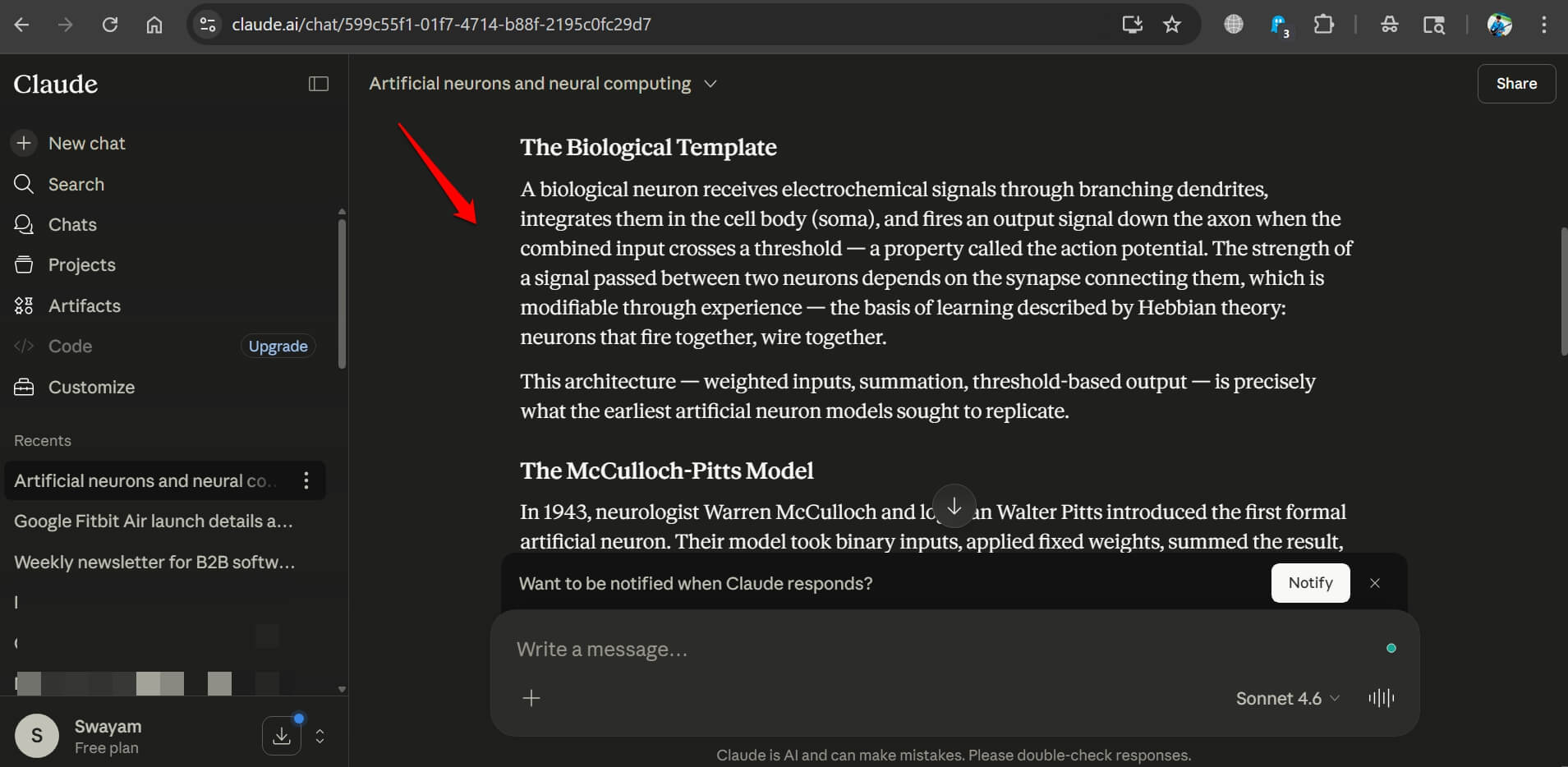
The result is that a huge volume of content goes live every day, yet much of it generates no engagement, does not attract customers and does not produce any clear business value either.
The new rules of content marketing
Plenty of marketers went into 2024 thinking AI would be the ultimate weapon, the tool that would solve every content production problem they had. If that was you, it is probably time to take a hard look at your strategy again.
Based on data Neil Patel shared, content written by humans generated 5.4 times more traffic than content created entirely by AI over a five-month period.
What really makes the difference is not volume but quality, and the connection between the content and its reader. Fresh content with its own point of view, written to serve a human reader, still performs best.
Put another way, AI can speed up the process of producing content, but it is people who create trust and emotional connection, and people who give readers a reason to stay and come back. On an internet full of lookalike content, the brands that tell real stories and offer real value will win.
“If you can’t create content with a new angle or bring something different, it is very hard for that content to perform. The internet is already saturated with content.”
The core idea is to focus on new perspectives and original insight instead of repeating what is already online. So how should a business change its content strategy? Here is the framework Neil Patel suggests for content marketers:
- Test new content ideas and concepts on X (Twitter).
- Repurpose the content that performs well into short videos for TikTok, YouTube Shorts and Instagram Reels. One interesting point: “low-fi” content (everyday, slightly “imperfect” looking creative) feels natural and relatable, and often outperforms heavily produced videos.
- Develop long-form content around topics that have already proven themselves, such as in-depth blog posts, white papers (formal, in-depth documents) or industry reports.
- Turn your best-performing blog posts into webinars, or use them as lead magnets to attract more potential customers.
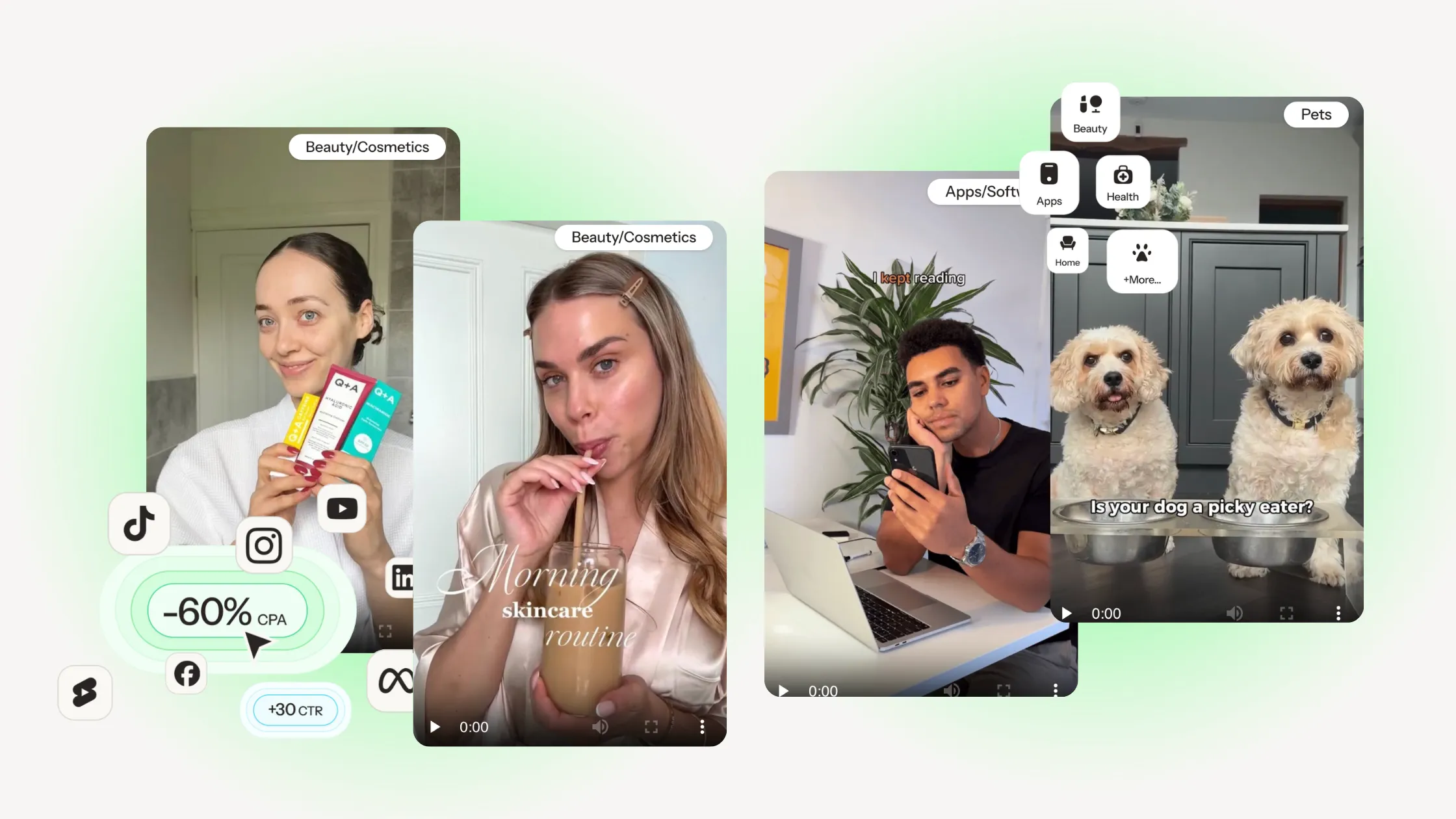
The appeal of this model is that each step builds on data from the step before. Content production gets smarter, uses resources more efficiently and fits better with how people consume content today.
How to keep content working in 2025 and the years after
In Neil Patel’s words: “SEO is no longer just Search Engine Optimization. It has become Search Everywhere Optimization.”
User search behavior is shifting fast and in a big way. People no longer search only on Google; they also look up information on LinkedIn, YouTube, Instagram and even on AI platforms. Long, conversational queries are also becoming more common. All of this forces marketers to change their approach to content marketing quickly.
Here are the key points to keep in mind:
Put quality ahead of quantity
Instead of blanketing every channel with new content every single day, focus on creating content that has real value and a point of view of its own. Patel’s data shows that quality content people invest in can bring in more than 5 times the traffic of mass-produced AI content.
Think “search everywhere”
Your customers are no longer searching only on Google. They are looking for answers on TikTok, LinkedIn, YouTube, Instagram and AI tools. So what your content marketing strategy has to do is show up everywhere your customers are actively looking for information.
Keep updating old content
The best-performing websites spend close to 70% of their time updating existing content rather than only writing new posts. Content that is refreshed, brought up to date and re-optimized usually performs much better than articles left to go stale.
Focus on real engagement over follower counts
Neil Patel stresses that “followers are no longer the most important factor.” What actually drives results is real engagement. A small but tightly engaged community is often worth far more than a large following that mostly scrolls past.
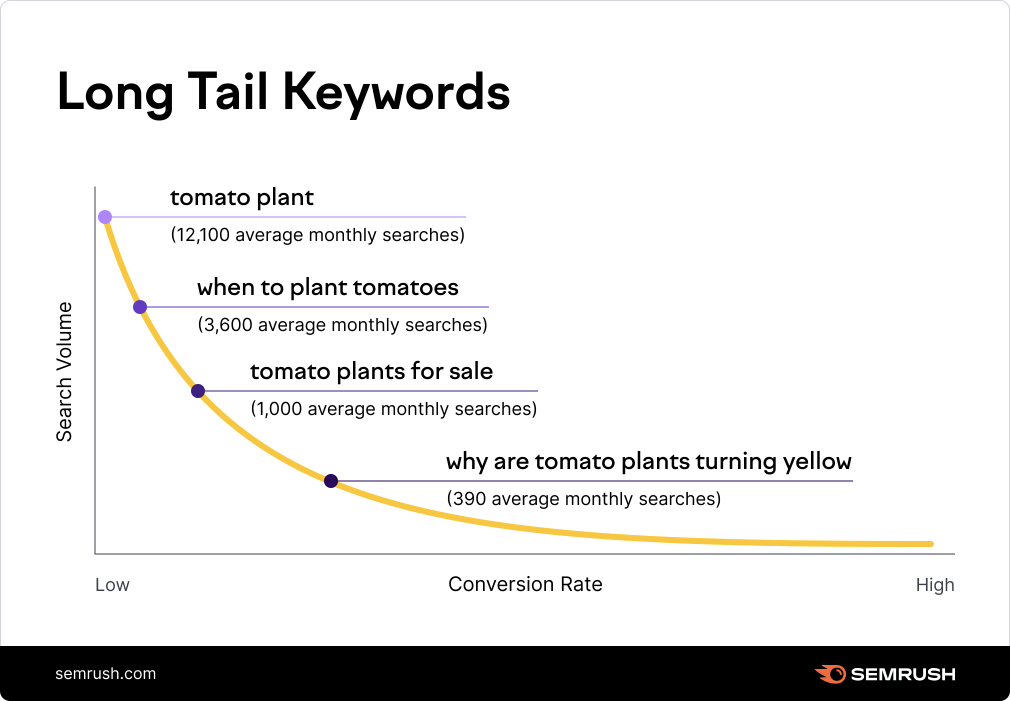
Prioritize long-tail keywords built on specific questions
Short keywords may bring in more traffic, but it is the long, detailed phrases that match real search needs that generate revenue. In other words, focus on attracting the right people instead of just trying to pull in as many visits as possible.
At a time when everyone is trying to please the algorithm, this is the best moment for a brand to stand out in the simplest way: create content that is more useful, more honest and more human.
“Content is King” may no longer hold true in the old sense, but that does not mean content marketing is finished. The real issue is that we need to be smarter, both in how we create content and in how we distribute it.
As Neil Patel says: “The goal isn’t to stuff in as many keywords as possible, it’s to give users the fastest, most accurate answer.” Content success in 2025 and the years that follow will belong to brands that build real connections, offer valuable insight and distribute content in the right place at the right time. Don’t just make more content. Make better content.
This article was adapted by Adtek from original INBOUND content (2025), updated on October 19, 2026.


 Categories
 Recent Posts