ENG
 VIE
 +84 9323 494 34


State of AI in marketing: 6 new insights from senior marketing leaders
 May 17, 2026
 Uyen Mac
Updated on October 19, 2026: figures reviewed and updated.
In its “State Of AI In Marketing” report, published by Search Engine Journal in June 2025, 155 marketing leaders and managers in the US described how AI is changing the way they work. AI now sits inside workflows and content production, shapes KPIs, and is steering where the marketing industry goes next.
Teams are rolling out AI at a very fast pace. That speed, however, does not mean the companies behind it are using AI effectively.
The market today still lacks benchmarks and clear data on how AI is actually used in marketing. Without them, marketers and the people who manage them are left more or less to find their own way as they bring AI into their day-to-day work.
That gap is the reason the “State Of AI In Marketing” report was produced. It sets out to give CMOs and other marketing leaders a more realistic picture, so they can make more accurate decisions while the industry keeps changing around them.
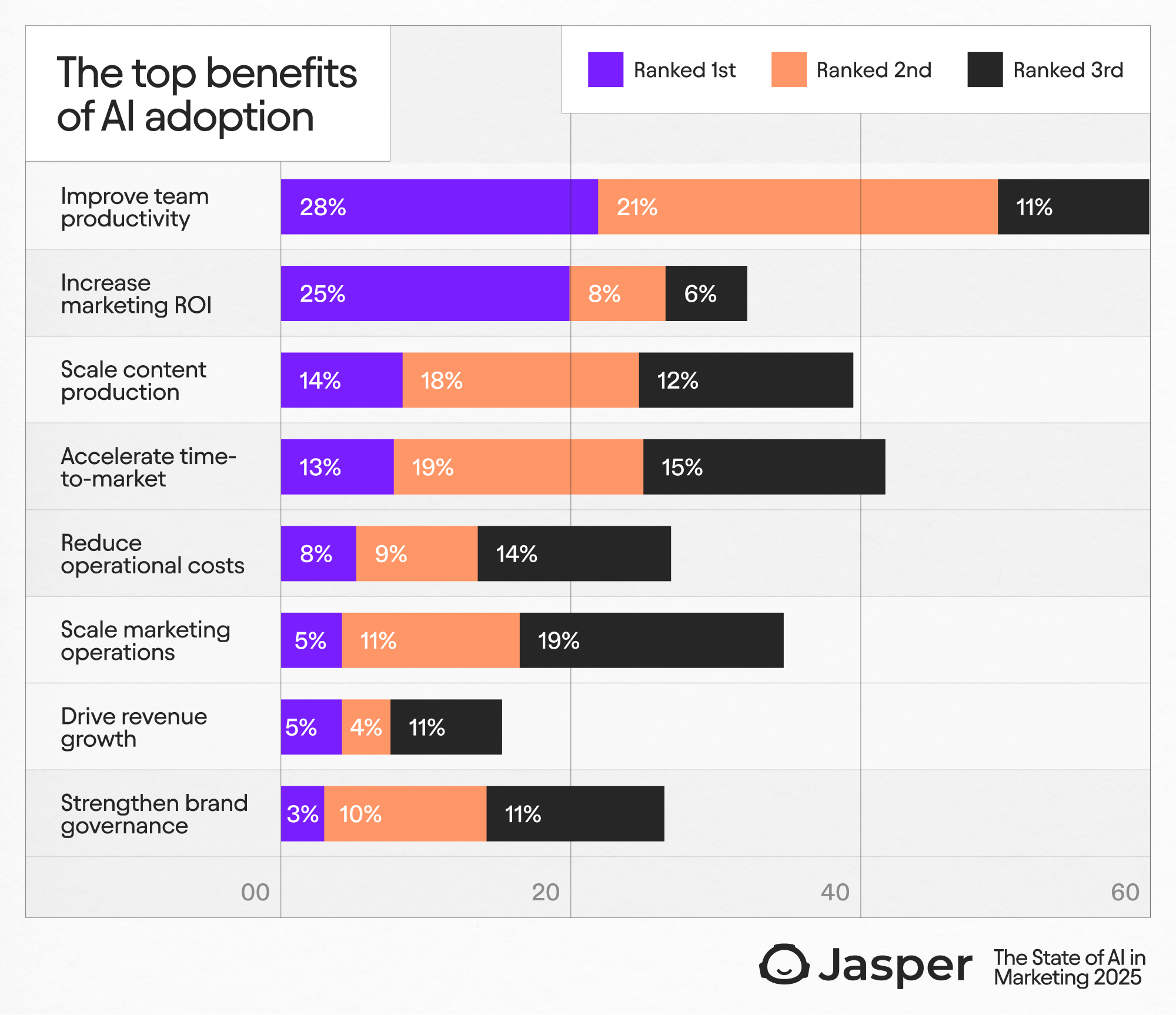
The survey asked 8 questions about generative AI and collected 155 responses from senior marketers, directors and top executives in the US. Taken together, the answers give a clearer view of how marketing leaders were thinking about AI, and how they were putting it to use, at the time of the survey in mid-2025.
Some companies reported a clear improvement in how productive their teams had become. Other marketers were still struggling with the quality of what AI produced, with keeping a consistent brand voice, or with legal issues related to AI.
The report is organized into 5 main areas:
- The AI tools marketers use most.
- How marketers apply AI in their work.
- The real results AI has delivered.
- The challenges and limits of rolling out AI.
- Where AI investment is heading next.
If you are building an AI strategy or running a marketing team, the report works as a reference point for benchmarking and for making decisions at a time when marketing is changing faster than it ever has.
6 key insights on the state of AI in marketing
1. ChatGPT is the most used AI tool
More than 83% of marketers said ChatGPT has had a positive effect on their productivity or effectiveness. It is not the only tool in use, though. Marketers combine it with several others. Platforms such as Gemini, Perplexity, Claude and Canva AI are gradually becoming part of the marketing team’s “AI stack”, where each tool handles a different job in the workflow.
2. Content is where AI has the clearest impact
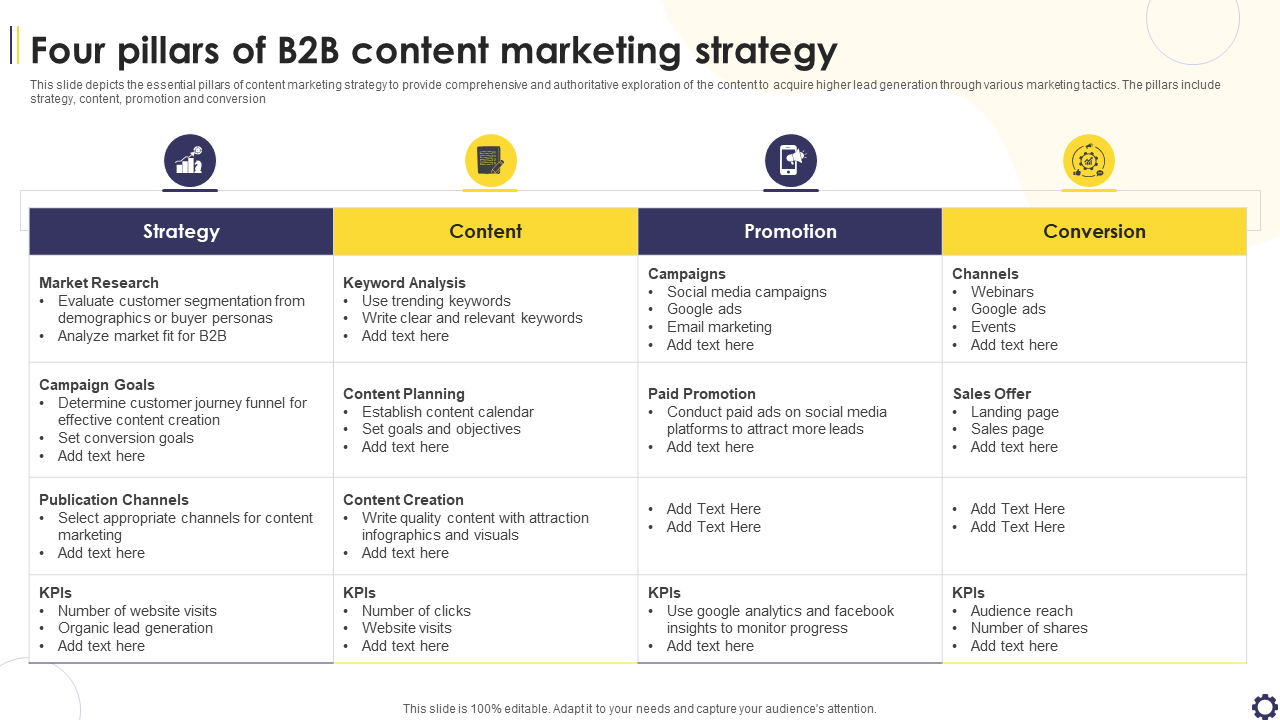
It is no great surprise that content is the area where AI’s effect shows most clearly:
- 64.5% of marketers said AI helps them create content effectively.
- 43.9% said AI adds value when optimizing content.
- 43.9% said AI adds value in brainstorming and developing ideas.
Even so, AI is mostly playing a supporting role here. It does not replace human creativity. Marketing teams use it to speed up their processes, get more done and push past creative block, rather than handing over strategic thinking and human insight to a machine altogether.
3. Saving time is the biggest benefit
76.8% of respondents said the most obvious benefit of using AI is the time it saves. With AI in the workflow, marketers can cut the hours they spend on repetitive tasks and put more of their attention on strategic work instead.
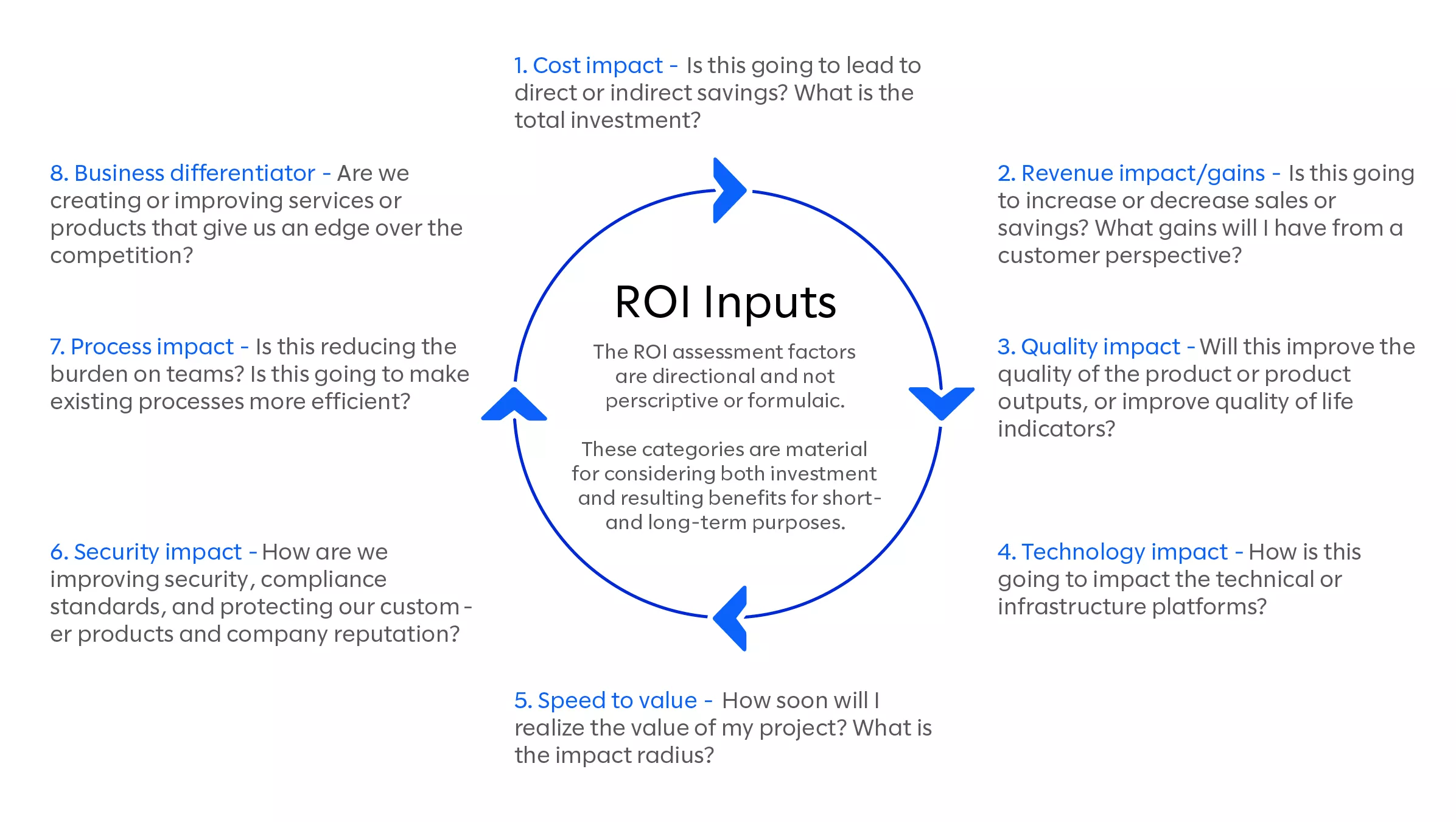
4. AI has not yet moved ROI in a clear way
AI is making operations leaner and improving productivity, yet strategic metrics such as customer lifetime value (CLV), lead quality and attribution have barely changed. This suggests that, for now, AI mostly improves the way the work gets done. Without human oversight and a clear strategy behind it, AI has not yet done much to raise the quality of the results themselves.
5. Output quality is still a major concern
54.2% of marketers said the biggest problem with using AI in marketing is output that is inaccurate, inconsistent or unreliable. That is also why AI still needs human review and direction before it can produce content that a marketing team can actually publish and put to work.
6. Misinformation is the top worry
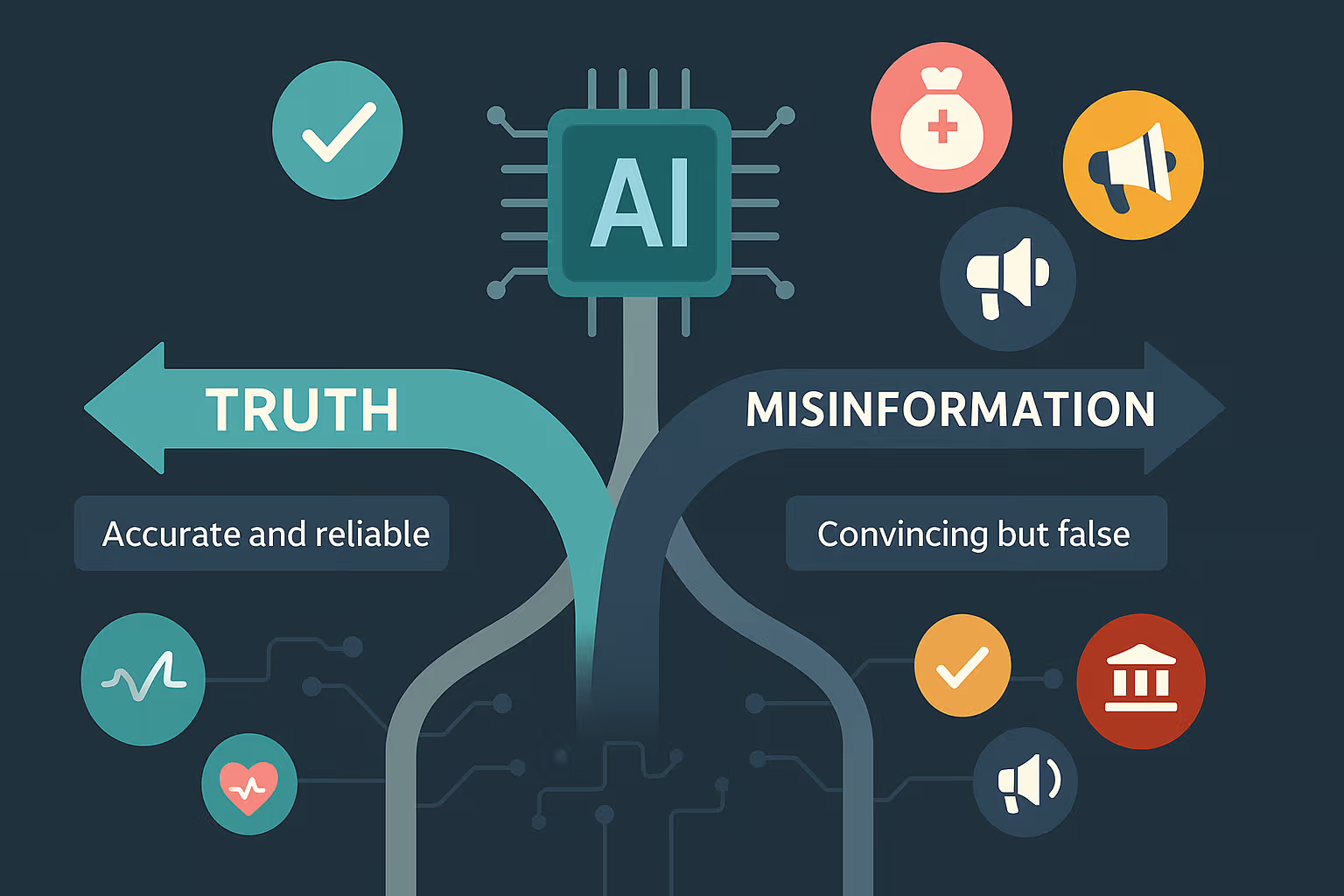
The biggest concern about AI is not losing jobs. It is the risk of misinformation. As many as 62.6% of respondents said false content generated by AI is the issue that worries them most. The result shows how much weight marketers now place on accuracy, credibility and brand reputation in an era of AI-generated content.
Other findings worth noting
Which raises the question: where are marketing leaders focusing their AI investment? Companies are prioritizing the areas where AI has already proven that it delivers real, practical results, such as:
- Analytics
- Customer experience
- SEO
- Marketing attribution
- Content production
How are marketing teams restructuring around AI?
The report also analyzes whether the surveyed companies have adjusted the structure of their marketing teams to bring AI in, and if they have, what kind of changes they made.
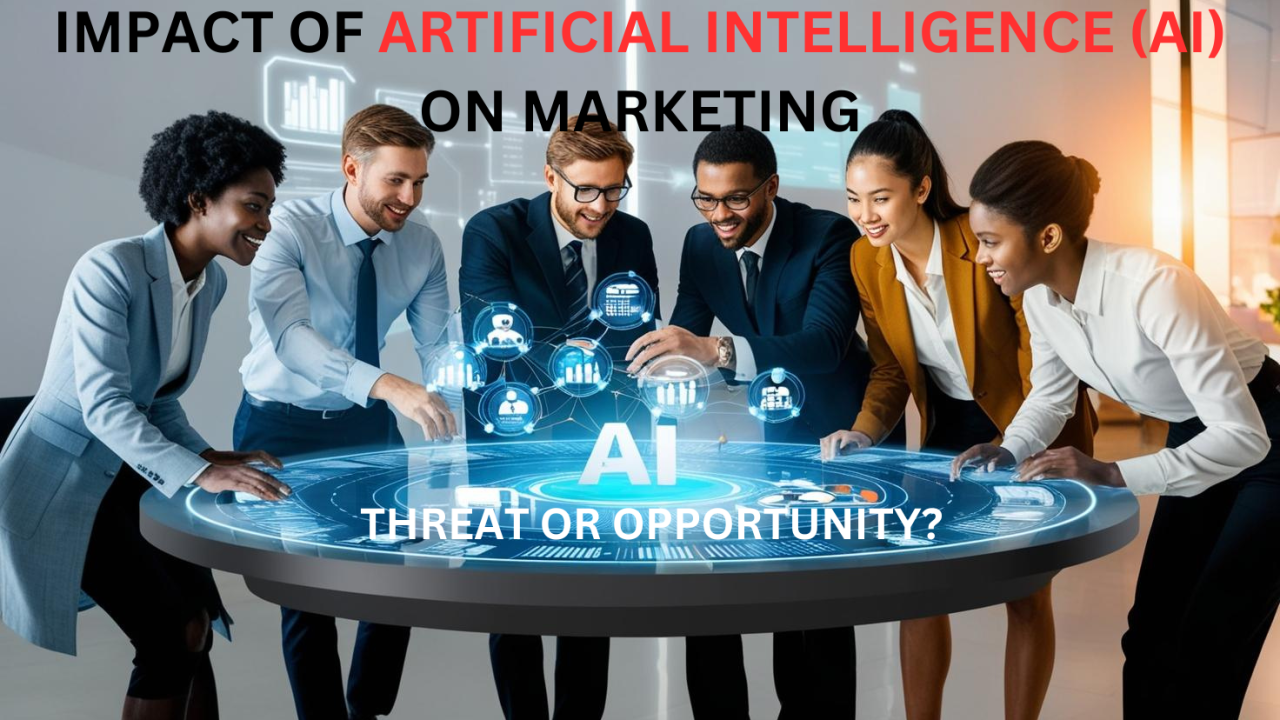
Where will AI hit hardest in the next 12 months?
This is the most interesting part of the report, with predictions made in mid-2025. Some marketers expect a “content explosion”, where the internet fills up with AI-generated content and the bar for quality and originality rises as a result.
Others believe search behavior will keep changing sharply, and that individuals or companies that fail to adapt to AI will gradually be left behind.
Not every prediction is gloomy. Many marketers believe AI will narrow the gap between small and large businesses, give more people access to high-quality tools, and let one person handle the workload of an entire team.
This article was adapted by Adtek from the original Search Engine Journal content (2025), updated on October 19, 2026.


 Categories
 Recent Posts